
2080
The First Purchase
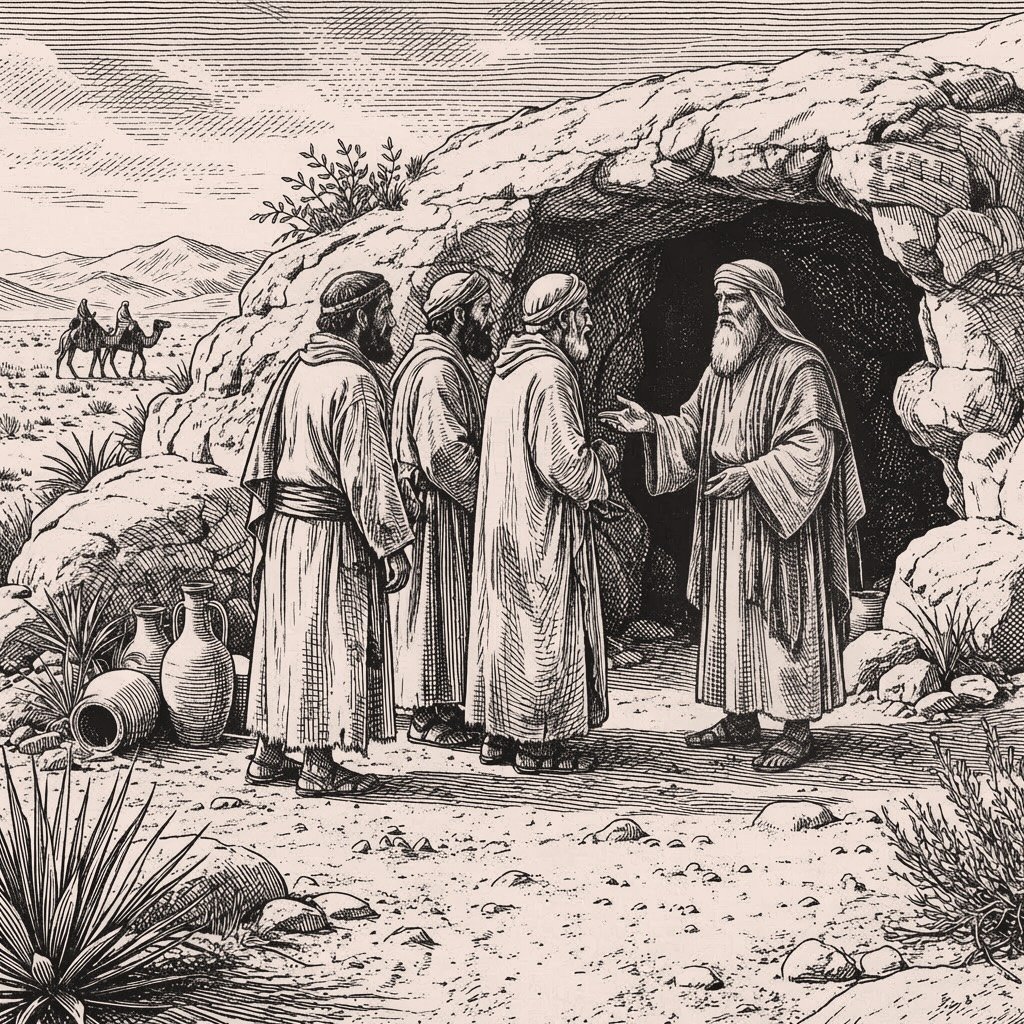
The history of Hevron Heights Winery begins around the year 2080 in the Hebrew calendar (1680 BCE), when Abraham arrived in Hevron called by the Lord and acquired the Cave of Makhpelah as an eternal family possession. This moment was not merely a transaction of land, but the establishment of a permanent bond between a people and a place. From that point forward, Hevron became the spiritual and ancestral heart of the Hebrew nation. It was here that the foundations of continuity were laid — a relationship to land, memory, and inheritance that would endure for millennia and shape the region’s identity for generations to come.
2257
A Blessing of Abundance
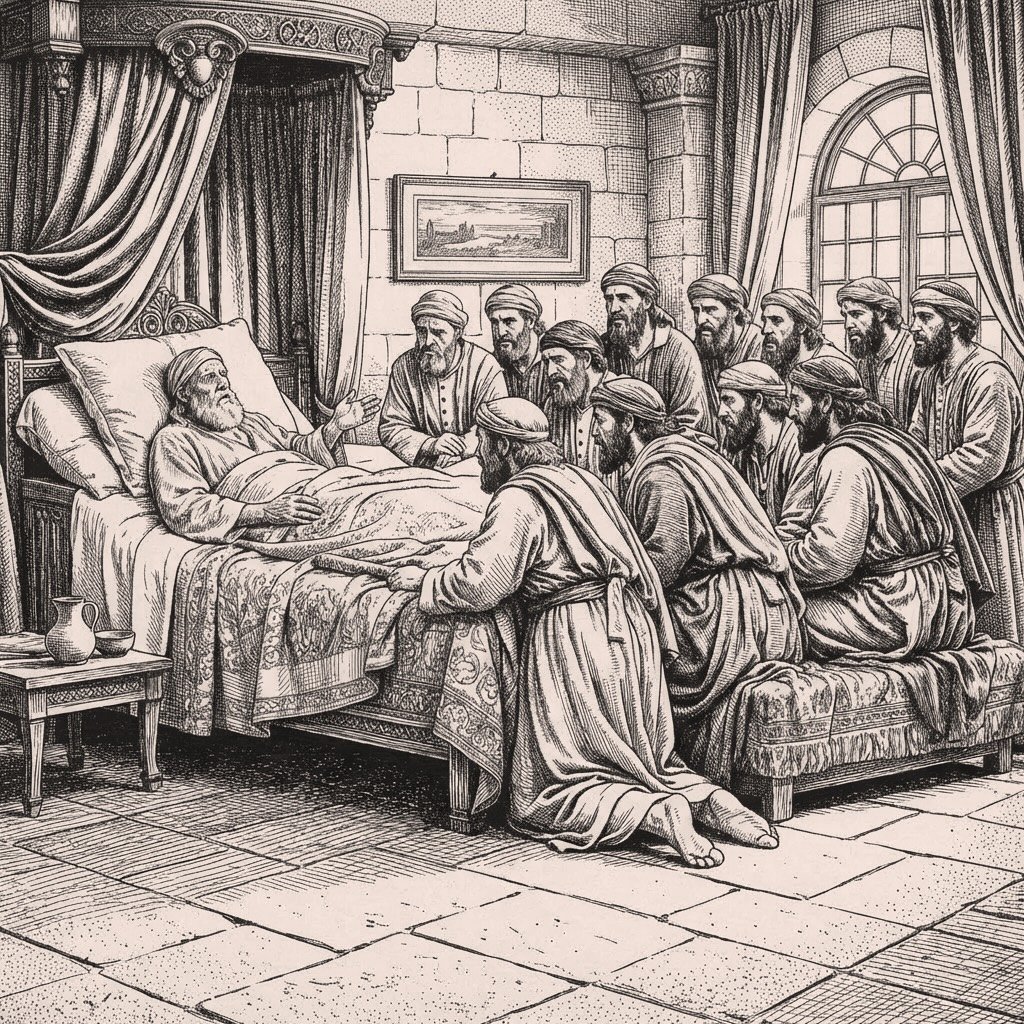
When Jacob blessed his son Judah, he spoke of a land given by The Lord, bound to the vine — of garments washed in wine and vineyards rich with promise. This blessing tied the tribe of Judah to a landscape long associated with cultivation, abundance, and agricultural blessing. For generations, the region surrounding Hevron became synonymous with grape growing and wine production. Biblical accounts recount explorers returning with extraordinary clusters from this very area, testifying to its natural fertility. Long before modern viticulture, the hills of Judea had already become linked to the promise of wine.
2900
The Kingdom of David
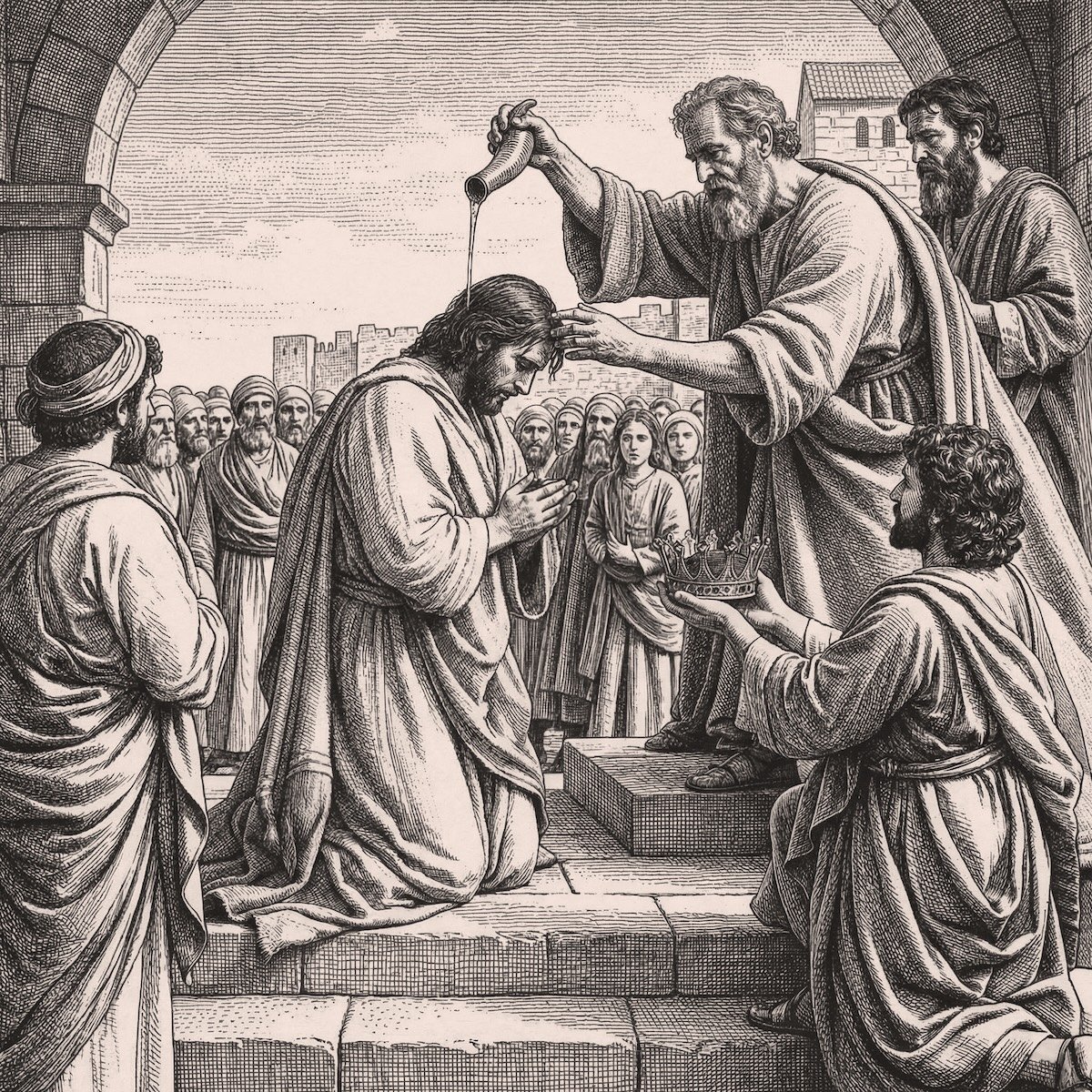
In the year 2900 (860 BCE), King David established his first kingdom in Hevron and reigned there for seven years. During this period, the city flourished as a political, spiritual, and agricultural center. Historical tradition associates the region with prosperity, population, and cultivation, and wine production stood among its principal enterprises. The vintages of Hevron were renowned across the Mediterranean Sea, valued for their depth and character. The hills that sustained a kingdom also sustained vineyards, and the craft of winemaking became woven into the life of the land. Hevron was not only a capital of governance, but a center of cultivation.
3830
Exile and Continuity
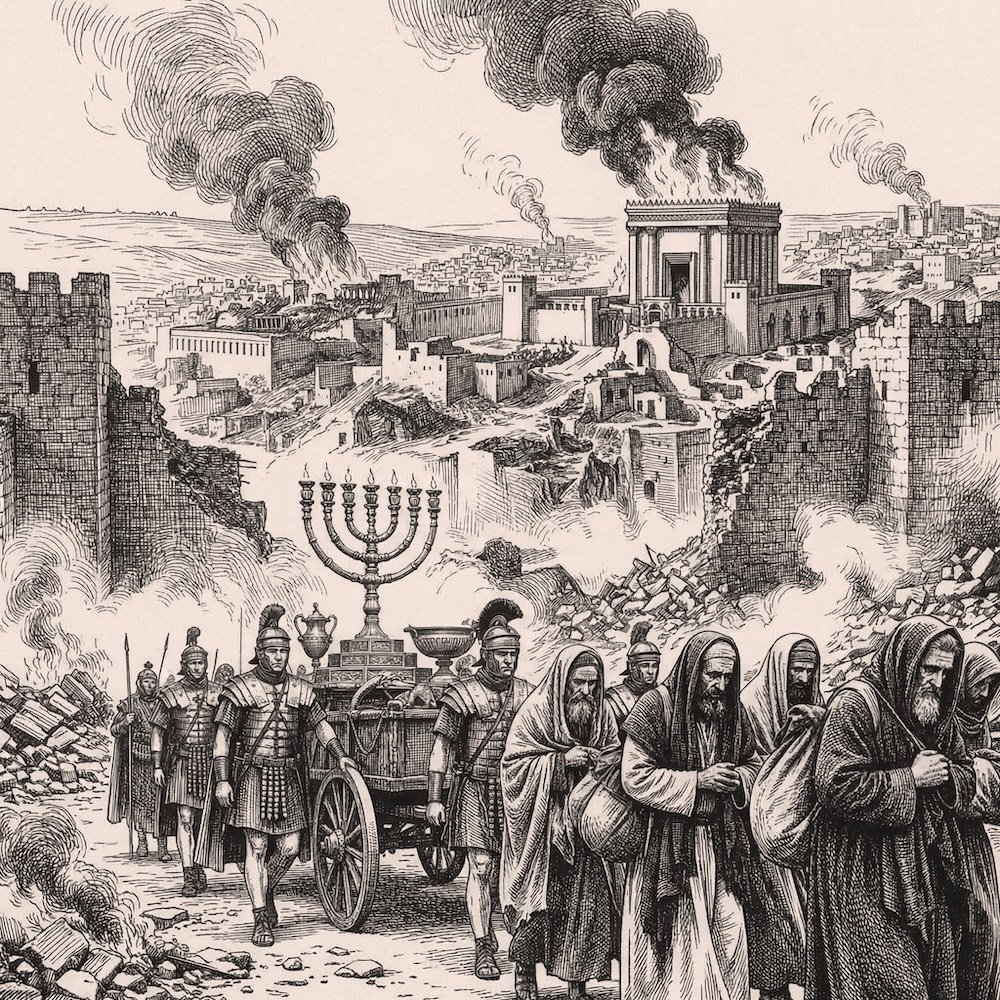
In the year 3830 (70 CE), exile dispersed the Jewish People from their homeland, including Hevron, beginning nearly two thousand years of separation. Yet even in absence, the memory of the land endured. Viticulture in the region never entirely ceased, though the grand tradition of winemaking diminished over the centuries. Later Islamic prohibition on alcohol further restrained the development of the craft. Still, the land itself remained unchanged. The hills, the soil, and the climate continued their quiet work, preserving the natural conditions that had made the region favorable to the vine since antiquity. Across generations, the bond between people and place was carried forward in memory and hope.
5708
National Rebirth
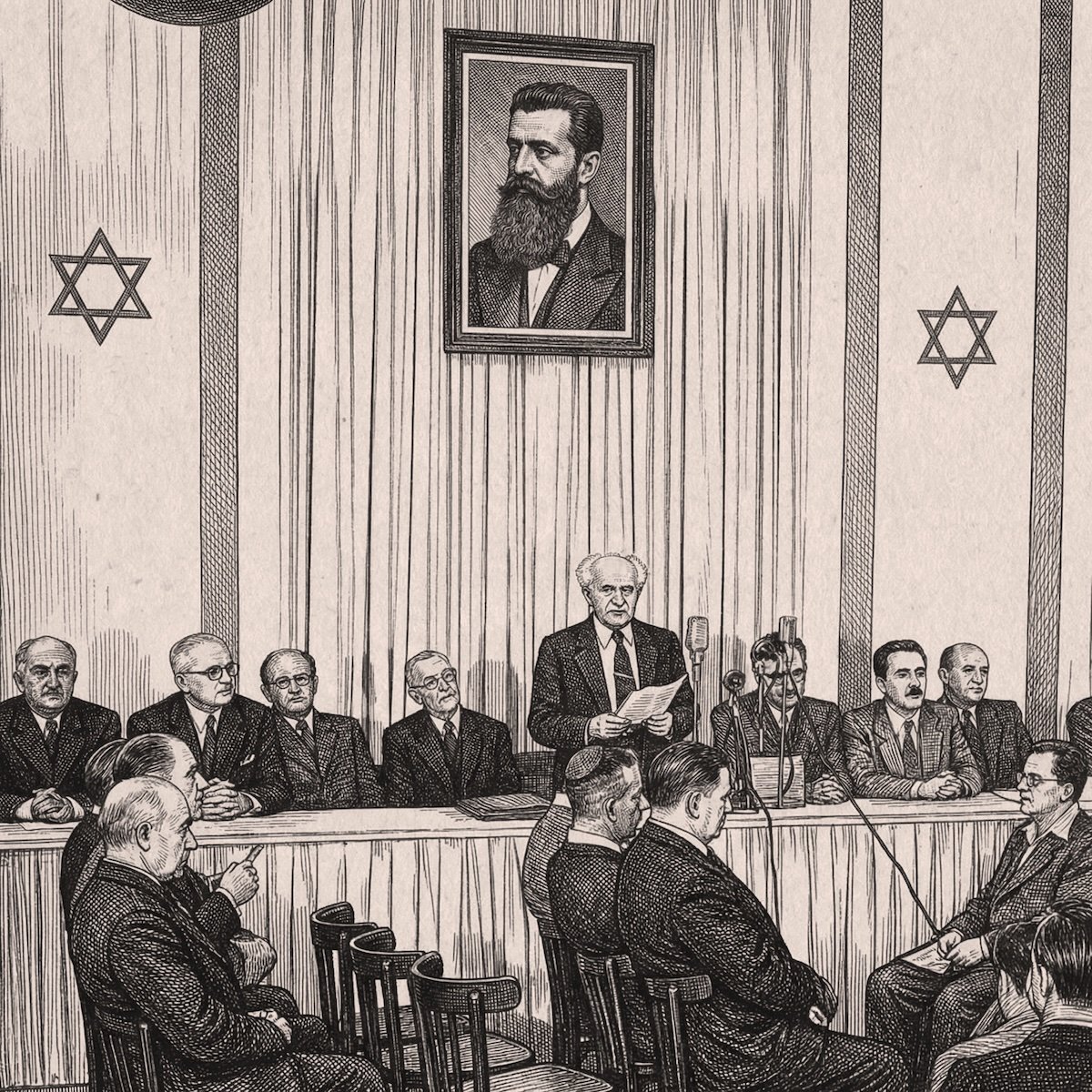
In the year 5708, Jewish sovereignty was renewed with the establishment of the State of Israel. For the first time in nearly two millennia, the return to the land was no longer only spiritual, but physical and national. Across the country, agriculture revived with new energy and vision. The Judean hills, long recognized for their natural suitability for grape cultivation, once again became the focus of renewed viticulture. Ancient terraces were restored, vineyards replanted, and forgotten traditions rediscovered. The rebirth of the nation was mirrored in the rebirth of the soil — a quiet but determined return to cultivation in the very landscapes that had once sustained Prophets, Kings, and Vintners.
5727
Hevron Restored
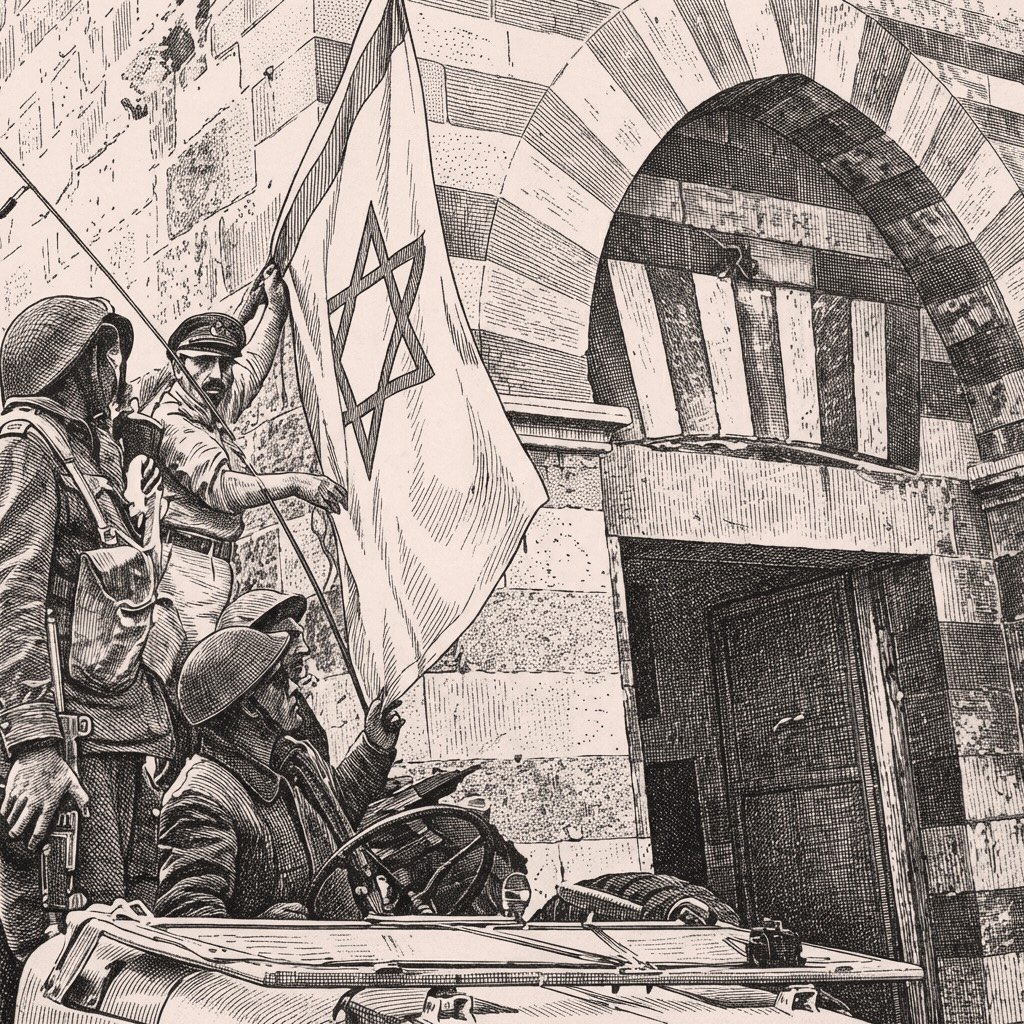
In 5727, Hevron returned to Jewish hands. After generations of distance, the historic city of the Patriarchs once again became accessible to those whose story was rooted in its stones. Though viticulture had never entirely disappeared from the region, the modern revival now gained renewed momentum. The Judean highlands, with their cool nights, dry summers, and mineral-rich soils, offered the same essential character that had distinguished the region for centuries. Quality grape varieties were introduced and cultivated with precision, and the land that once produced celebrated vintages began, quietly and deliberately, to prepare for a new chapter in its winemaking history.
5760
The Winery Established
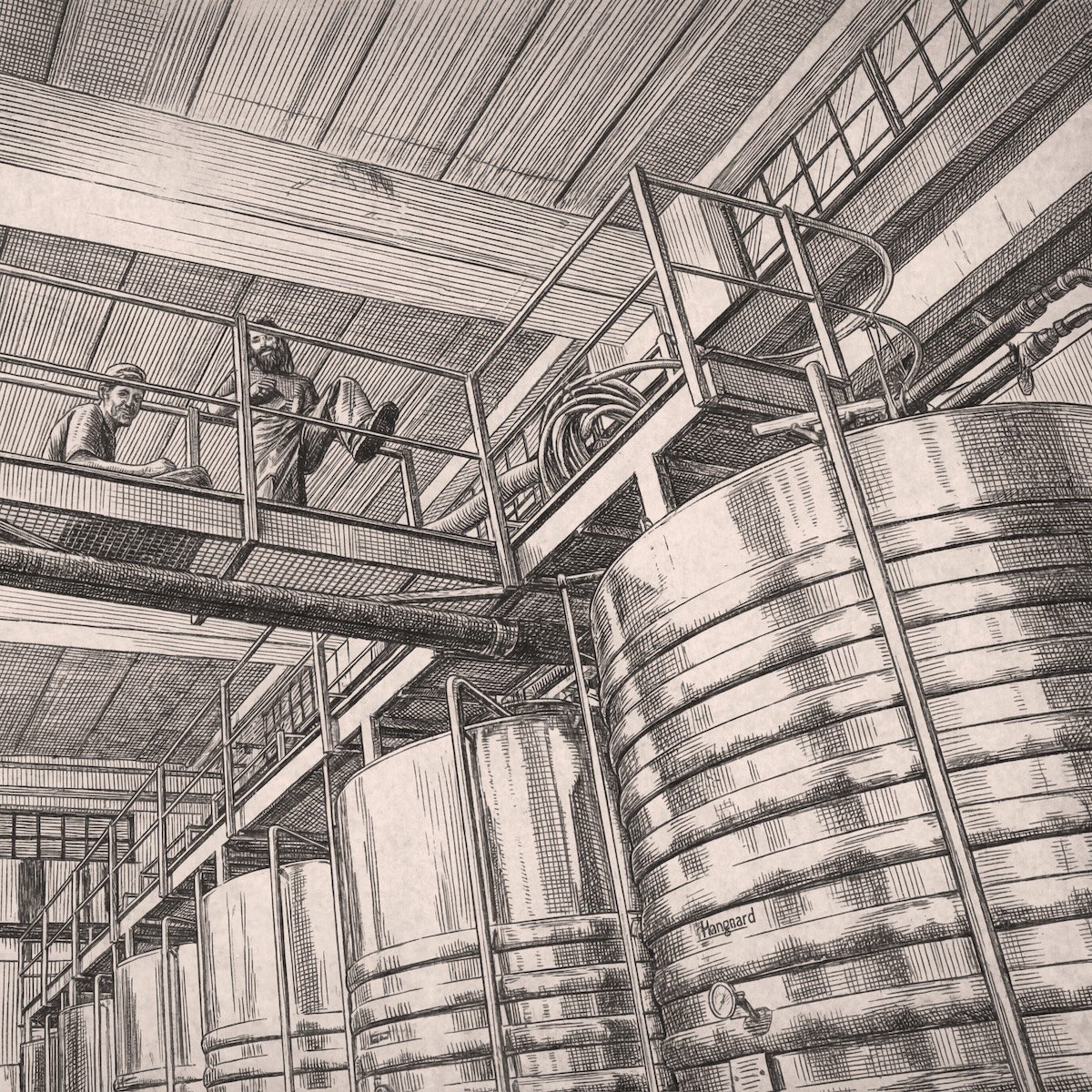
In 5760, Hevron Heights Winery was founded with a clear vision: to restore world-class winemaking to the hills of Judea. Established by French investors with deep roots in North African Jewish wine traditions, the winery combined reverence for the Land with advanced enological expertise. Built on a French model, it brought together classic Old World methods and modern precision. High-density planting — over 7,000 vines per hectare — together with meticulous vineyard management, produced fruit of remarkable concentration and balance. Under the guidance of master vintner François Raynal and Ed Salsberg, the winery began producing wines of depth, elegance, and enduring character.
5786 The Present
A New Estate Rising
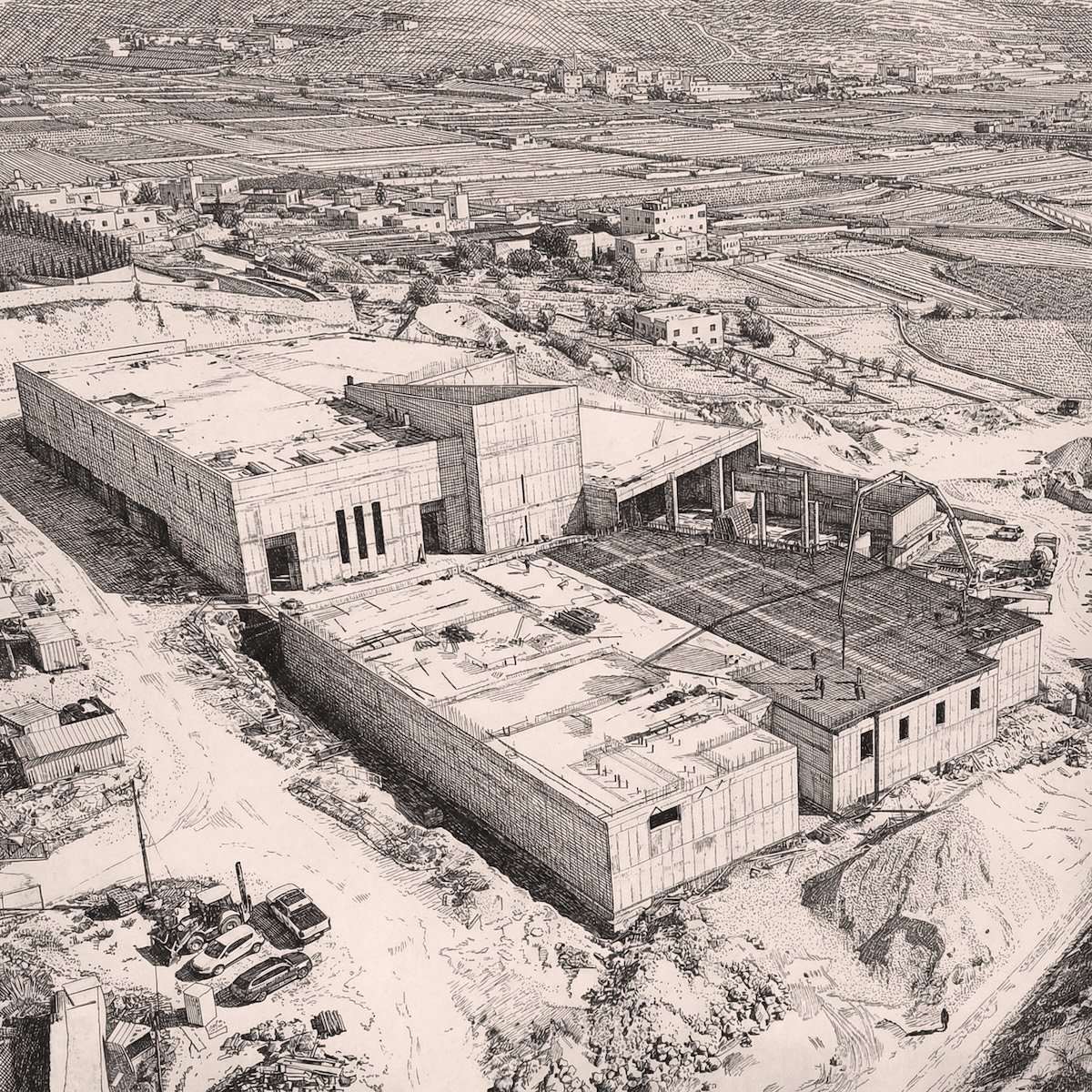
In recent years, a new estate has begun to rise in the Judean hills — a physical expression of continuity and ambition. Designed to unite advanced technology with timeless craftsmanship, the estate reflects the winery’s long-term commitment to excellence. Stainless steel and Concrete fermentation systems provide optimal temperature control, while traditional open-vat fermentation preserves authenticity and character. Wines are aged patiently — twelve to twenty-four months, primarily in French oak — and often rest further before release, in keeping with the winery’s uncompromising standards. As the new estate takes shape, the vision remains unchanged: to produce wines rooted in place, shaped by history, and carried forward for generations.