

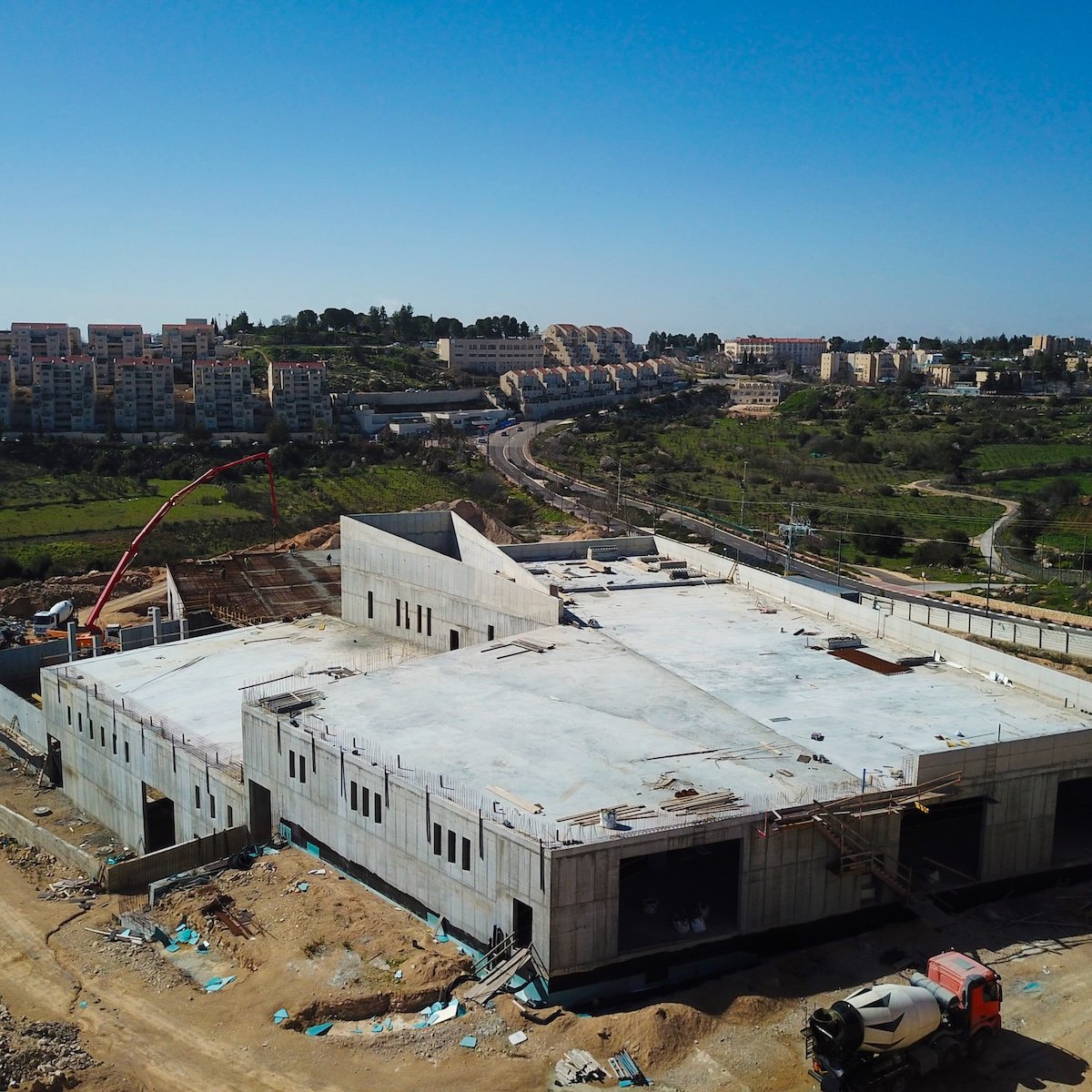
A New Chapter for Hevron Heights Winery
For more than two decades, Hevron Heights Winery has grown from a small local initiative into one of Israel’s leading wineries. Yet from the very beginning, the vision extended far beyond the walls where the winery first began.
Today, that vision is becoming reality. The new Hevron Heights Estate marks a major step forward for the winery and the entire region. Located near the town of Hevron and Kiriat Arba, a community of approximately 10,000 residents in the heart of the Judean Hills, the project will create a destination that celebrates wine, culture and the landscape of this historic area.
The new estate will mark a clear transition in the winery’s history — from its early pioneering years to a new era of growth, craftsmanship and regional development.
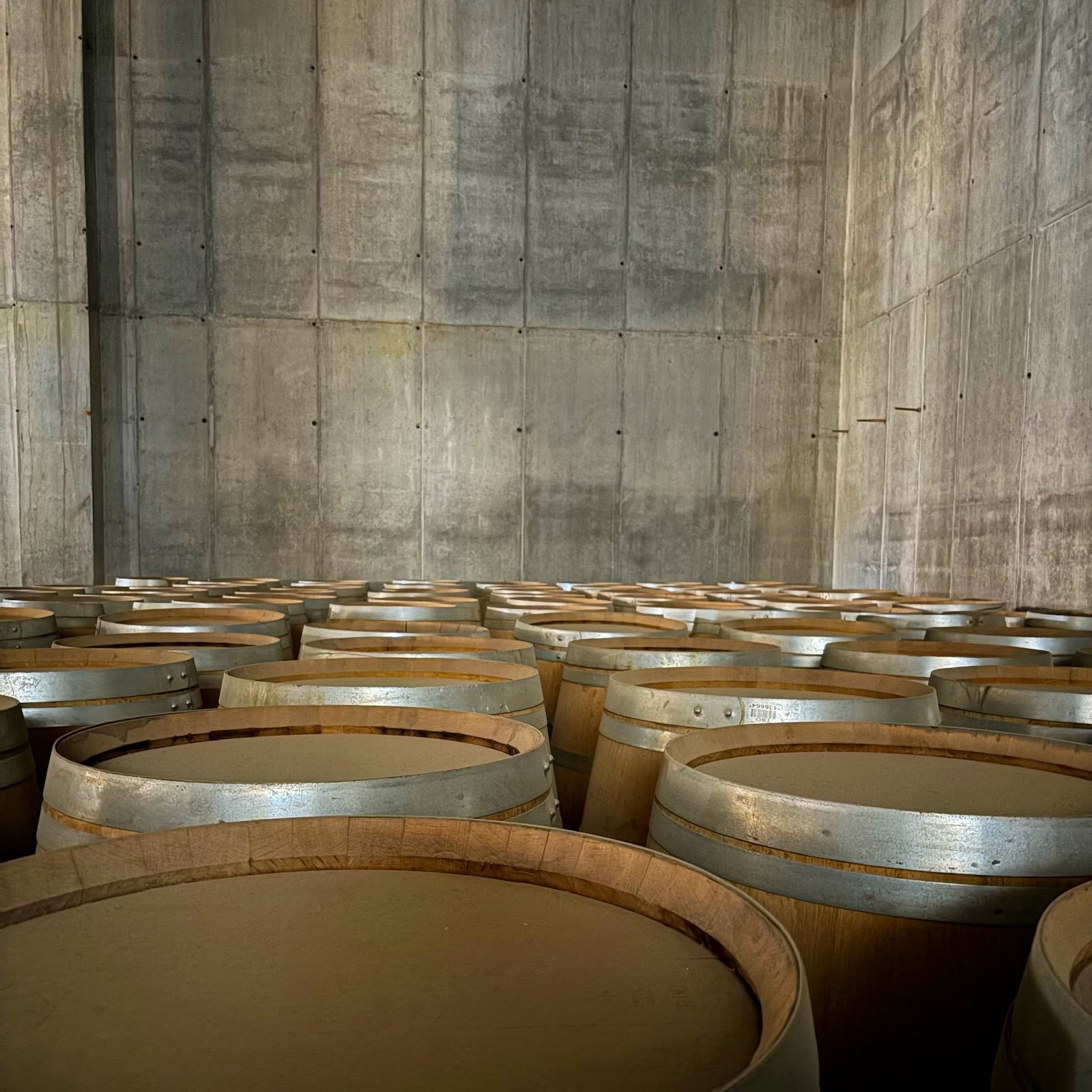
From Humble Beginnings
Hevron Heights Winery was founded in 2000 and produced its first wines during the 2001 harvest. While the wines quickly gained recognition for their quality, the winery itself was never designed to fully realize the potential of a modern estate.
As early as 2005, only four years after the first harvest, the founders began planning the construction of a dedicated winery building — a place designed specifically for the art of winemaking.
However, building in the Judean Hills is rarely simple. Because of the region’s unique administrative and political realities, the project faced many delays and challenges that would stretch for more than two decades. For many years, the vision remained only a plan, waiting for the right moment to move forward.
In 2017, the winery acquired the land intended for the new estate. However, construction was once again delayed at what would become the future home of Hevron Heights Winery.
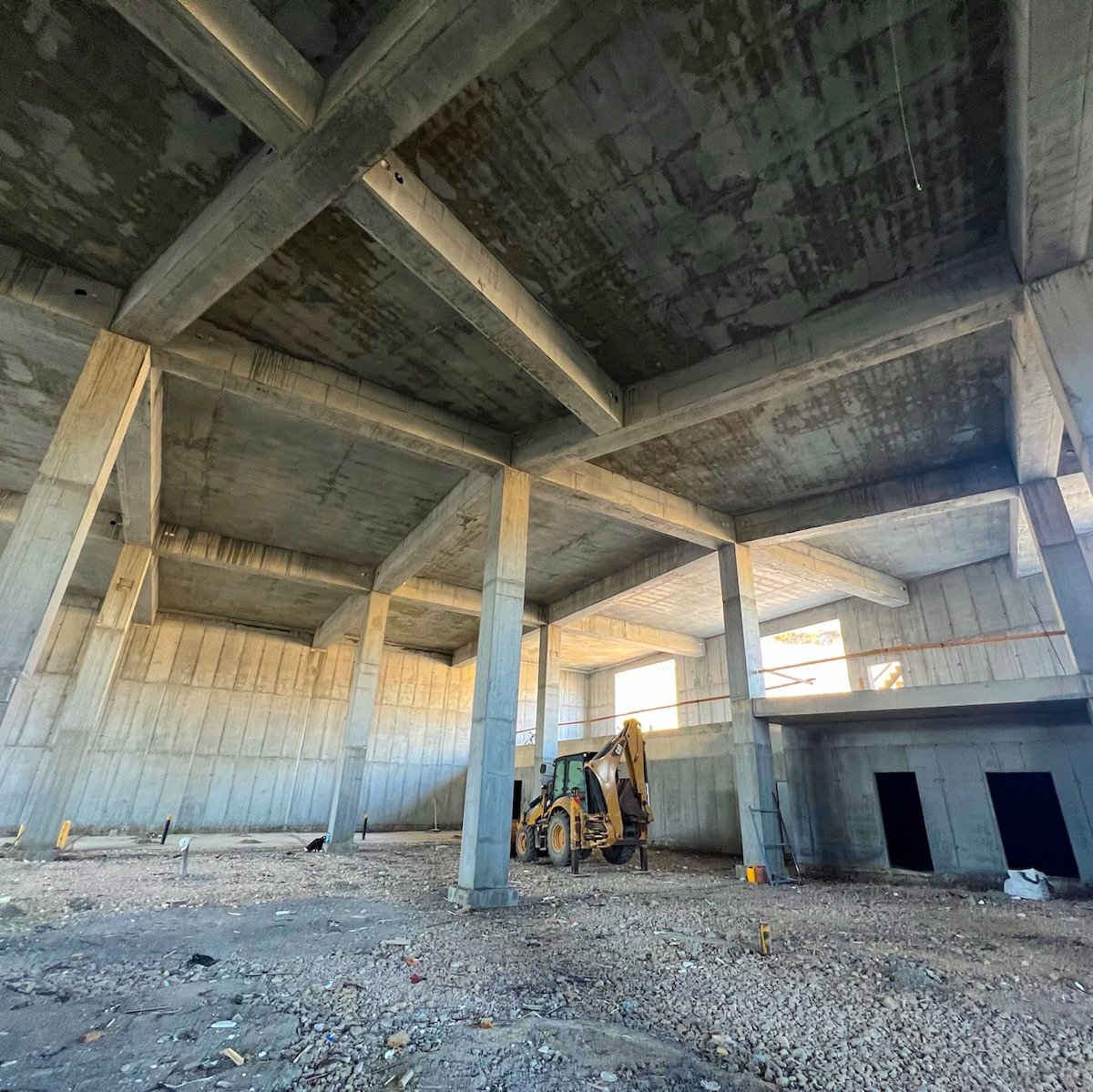
A Winery Designed for the Future
The new estate marks a dramatic expansion of the winery’s capabilities. Once completed, the facility will be nearly nine times larger than the original winery, where production began in 2000.
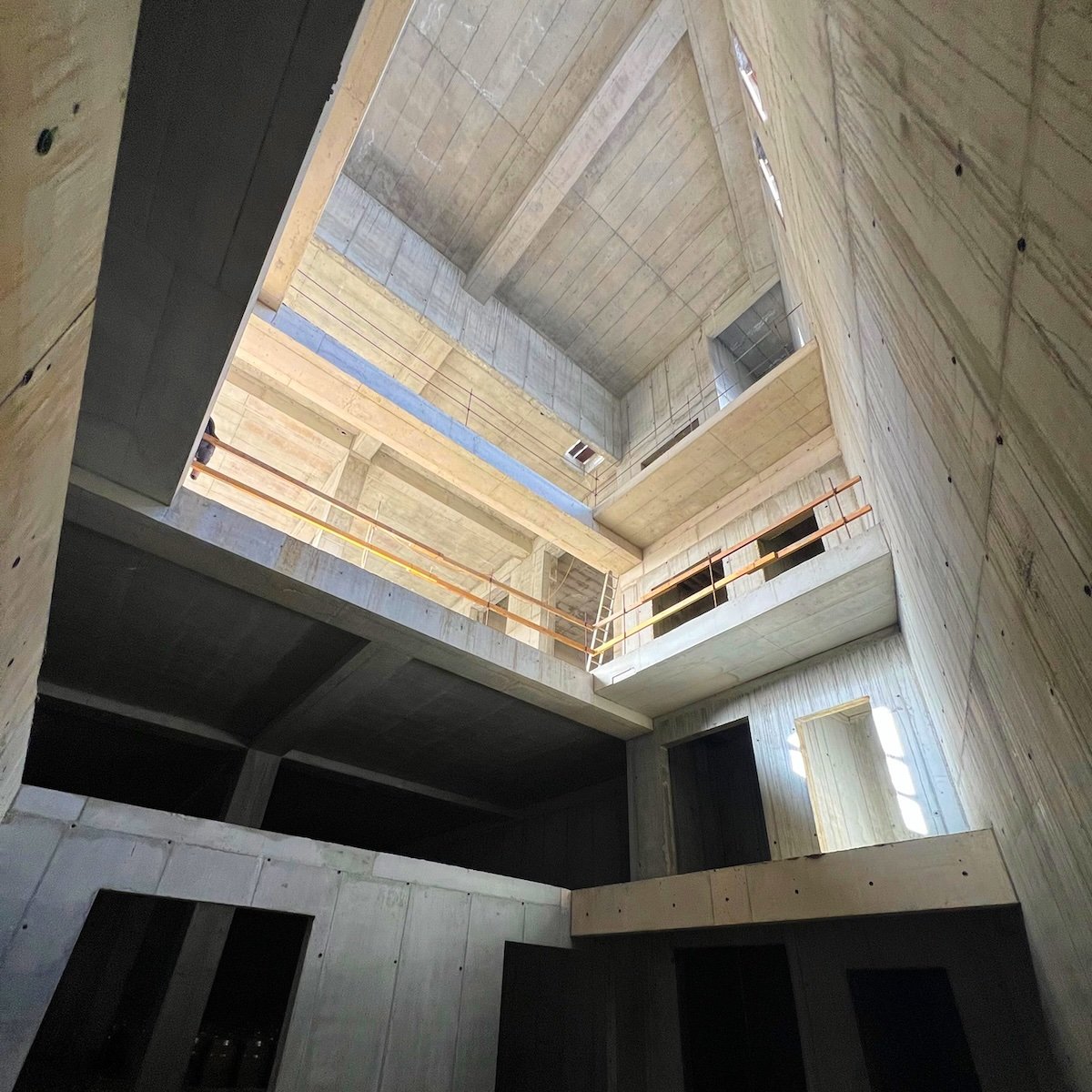
More than simply increasing capacity, the new winery is designed to elevate the entire winemaking process. Gravity and separate sections will allow the winery to handle different levels of production with greater precision, ensuring that the most exceptional wines receive the meticulous attention they deserve while maintaining efficient production for the broader portfolio. At the heart of the design is a gravity-flow system that minimizes the need for mechanical pumping. The winery is built across several levels, allowing the wine to move naturally from one stage of production to the next.
This gentle handling preserves the integrity of the grapes and reflects the winery’s commitment to craftsmanship and quality. Part of the structure is built partially underground, providing naturally stable temperatures and creating ideal conditions for fermentation, aging and long-term storage.
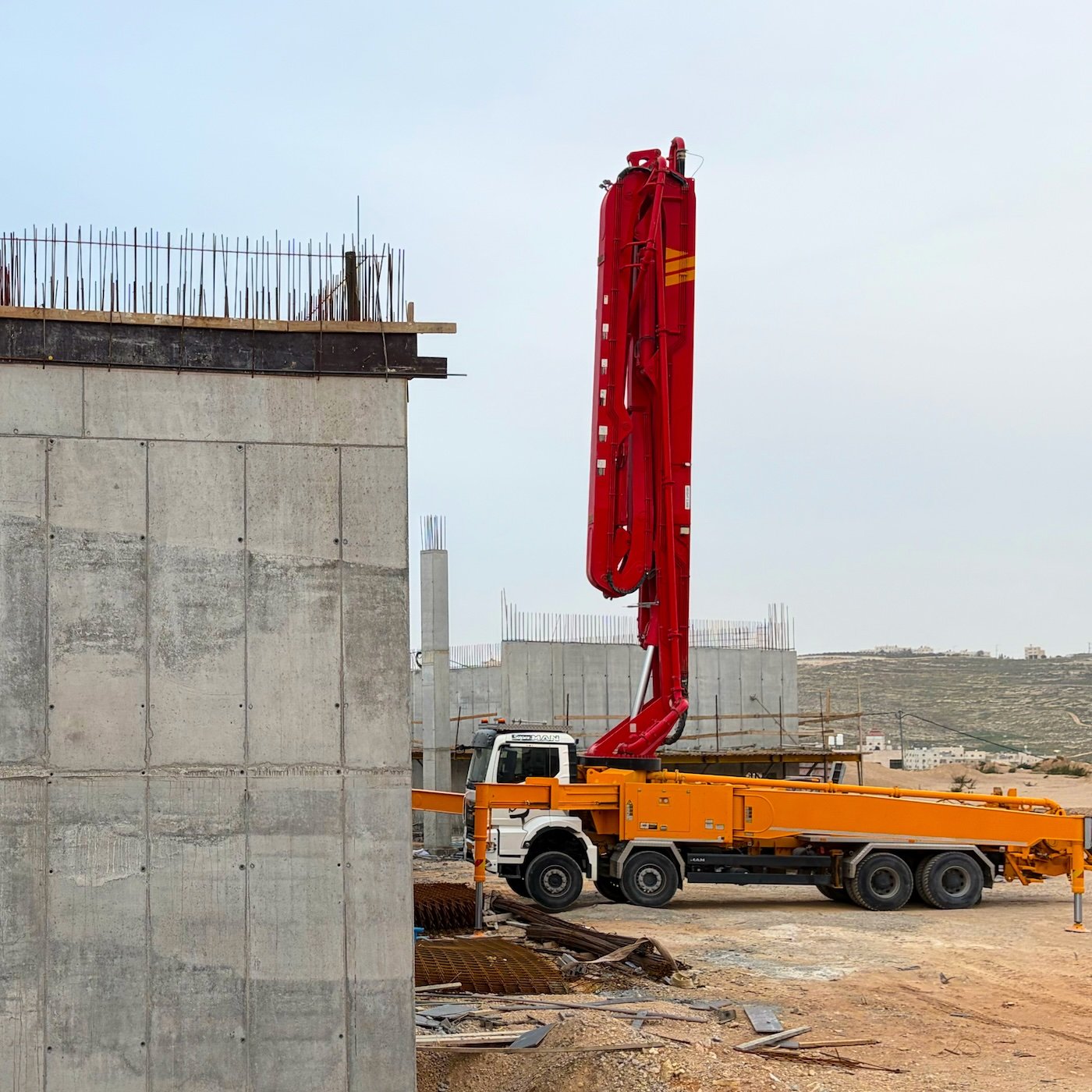
A Destination for the Judean Hills
The vision for the estate extends far beyond the winery itself. Above the production facility, a large space will welcome visitors and serve as a vibrant cultural destination for the region. The future visitor center will offer guests the opportunity to discover the wines of Hevron Heights while experiencing the beauty and history of the Judean Hills.
Plans for the space are still evolving, but possibilities include exhibitions about the region, cultural installations, and a museum dedicated to the region’s history and heritage.
Additional projects may include spaces for events and celebrations. The goal is to create a lively gathering place where visitors from Israel and around the world can experience the culture, landscape, and wines of the Judean Hills.
Building for the Next Generation
The new Hevron Heights Estate is more than a winery expansion. It is a long-term investment in the region’s future and the winery’s continued growth.
What began in modest facilities over twenty-five years ago is evolving into a landmark estate that reflects both the ambition of its founders and the remarkable potential of the Judean Hills as a world-class wine region.
The journey has taken many years, but the vision remains the same — to create wines that express the land, the history, and the enduring spirit of this extraordinary place.